
When Safety Feels One-Sided: What It Means & How to Respond in a Relationship
Introduction
This scenario is familiar to many:
You are the listener, the interpreter, the glue that keeps everything together. You see yourself as “low maintenance” and not someone who causes issues.
However, after some time passes, something becomes problematic.
You could experience feelings of fatigue, feeling unseen, and perhaps even invisible, yet continuing to be the emotional backbone of your relationship.
This is often an indicator of an unhealthy relationship dynamic, not a healthy one.
In many cases, what looks like being supportive is actually emotional labor that goes unnoticed and unreciprocated. And over time, this can lead to emotional burnout and deep emotional exhaustion.
Key Takeaways
- One-sided “safe spaces” often create relationship imbalance
- Taking on constant emotional labor can lead to emotional burnout
- Signs include emotional exhaustion, silence, and over-adjusting
- Lack of emotional boundaries leads to relationship burnout
- Healthy relationships require mutual emotional support
- Setting boundaries helps restore balance and connection
What One-Sided Safety Really Means
When we talk about normalcy, about our lives every day, we realise that we are social beings, we thrive in that light. And under this aspect of society comes having a healthy relationship.
A healthy relationship is not built on one person constantly being “the strong one.” It’s built on mutual care, emotional honesty, and the ability for both people to feel safe expressing themselves.
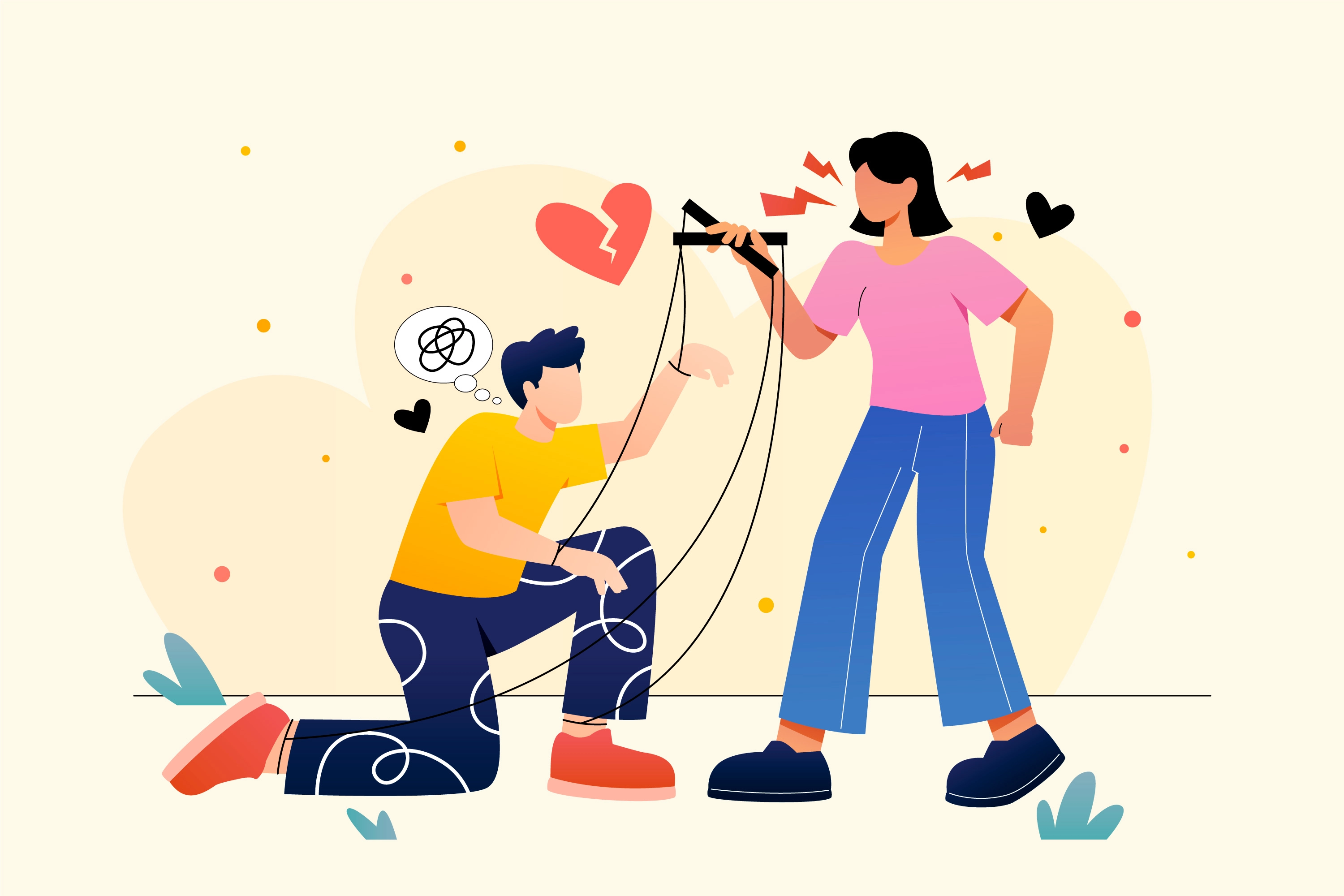
But, it’s seen in most cases, in many relationships that one person slowly becomes the emotional anchor for everything. They are entitled subconsciously as the listener, the calmer, the one who absorbs stress and keeps the peace.
Initially, this may feel like love or maturity. Over time, however, it can quietly turn into constant emotional labour.
You may begin to notice that your partner can openly express frustration, sadness, or stress, while you start cleaning and filtering your own emotions to avoid “adding more” to their plate.
That’s where the imbalance begins.
And when your needs repeatedly take a backseat in your relationship, then the said relationship can stop feeling like a partnership and start feeling like emotional management.
What It Looks Like in Real Life
One-sided emotional dynamics are often subtle in the beginning, which is why many people don’t recognize them immediately.
It may look like rehearsing conversations in your head beforehand, like bringing something up in order to just avoid upsetting your partner. Or telling yourself, “It’s fine, I’ll deal with it later,” even when you’re overwhelmed.
In some cases, you may finally break down and vent out your hard days, only for the conversation to gradually become focused on how your partner feels again. In other cases, you may experience relief upon being alone and feeling like you no longer have to emotionally “hold things together” anymore.
These experiences may seem like something you can neglect or ‘let go’ in the sense that it doesn’t matter that much. And you may not think that the situation may seem dramatic on the surface, but over time they create deep emotional exhaustion.
You begin to feel present in the relationship physically, but emotionally unseen.
Why This Happens
In many instances and relationship, this dynamic starts off with good intentions.
You know you care deeply about your partner, so naturally you’ll have the want and the need to support them. You become more understanding, more patient, and more emotionally available. But when this pattern continues without balance, the support that’s being given slowly becomes responsibility.
One of the primary reasons that causes such relationships is the presence of unhealthy emotional boundaries. Subconsciously, you might find yourself placing higher importance on your partner’s emotional well-being than yours. Your partner’s problems need addressing immediately, but your own emotions should wait, be softened, or even concealed.
There is also an element of fear at work here. The fear of conflict, the feeling of guilt, or the threat of emotional withdrawal often leads individuals to suppress their feelings to keep the peace.
The consequence of this process is a severe imbalance in the emotional relationship between two people when one gives support, while another receives far more without realizing.
What makes this especially toxic is that in the absence of arguments or manipulation, this type of unhealthy relationship may seem perfect to outsiders. Emotional imbalance isn't always visible, it can be tranquil and devastating.
Why This Is Not Sustainable
No one can continuously carry the emotional weight of a relationship alone without consequences.
When your feelings are constantly minimized, delayed, or unsupported, it slowly leads to emotional burnout. You may start feeling numb, irritable, disconnected, or quietly resentful without fully understanding why.
This is usually how relationship burnout happens, not from a single catastrophic event, but rather from the increasing effect of disregard of emotions in many small events.
Intimacy involves emotional exposure on both sides. When one person always has room for emotional collapse and the other must always remain composed, the intimacy becomes lopsided, like a sad smile.
Sometimes, depending on the situation, the dynamics may even be similar to an emotionally dysfunctional or toxic relationship.
Support shouldn’t come at the expense of emotional disconnection.
How to Restore Balance
Restoring balance does not mean becoming cold, distant, or emotionally unavailable. It simply means recognizing that your emotions deserve space too.
Another critical step is training yourself to avoid overthinking your emotions before communicating them. You don’t need to present your emotions flawlessly just to make things easy for the other person.
Learning to set better emotional boundaries is equally essential. In some cases, it might look something like this:
- “I would love to be there for you, but I’m emotionally exhausted at the moment.”
- “Could we discuss this again when I’m better equipped?”
Your partner might find it surprising initially, particularly if their entire relationship has centred around you being the “strong” one. However, in time, both parties will adapt to the new dynamic.
Pay attention to how your partner responds when you express needs, limits, or vulnerability. Their reaction often reveals whether the relationship truly has room for both people emotionally.
Because genuine emotional support should flow both ways.
What You Need to Remember
You are not difficult for needing support too and you are not selfish for feeling tired.
And you are definitely not weak for reaching a point within yourself where you feel that constantly carrying emotional weight is no longer sustainable.
Healthy relationships are not perfectly balanced every single day. Sometimes one person gives more because life demands it or that’s what they want to do, because of the care that’s brewed so lovingly inside them. But over time, there should still be reciprocity, care, and emotional consideration from both sides.
You deserve relationships where you can be fully human, not just emotionally useful.
Conclusion
If the safety in your relationship seems one-sided, then maybe you should pay closer attention than you have been up to now.
As there is no way to be emotionally safe without considering how the other person will react to you. And there is no point in continuing a relationship where you keep taking all of the hits without making any noise. You deserve:
- To be heard
- To be supported
- To express emotions without guilt
- To exist in the relationship fully, not just function within it
Because the truth is: A relationship isn’t truly safe if only one person is carrying all the emotional labor.
Get the Latest Expert Insights