
The Hidden Cost of a Big Heart: Understanding Emotional Burnout

Introduction
In the emotionally demanding world we live in today, being extremely empathetic is viewed as a positive attribute. People take great pride in being the one person everybody counts on: the listener, the supporter, the “strong one.” However, one does not consider the emotional toll of being available for everybody.
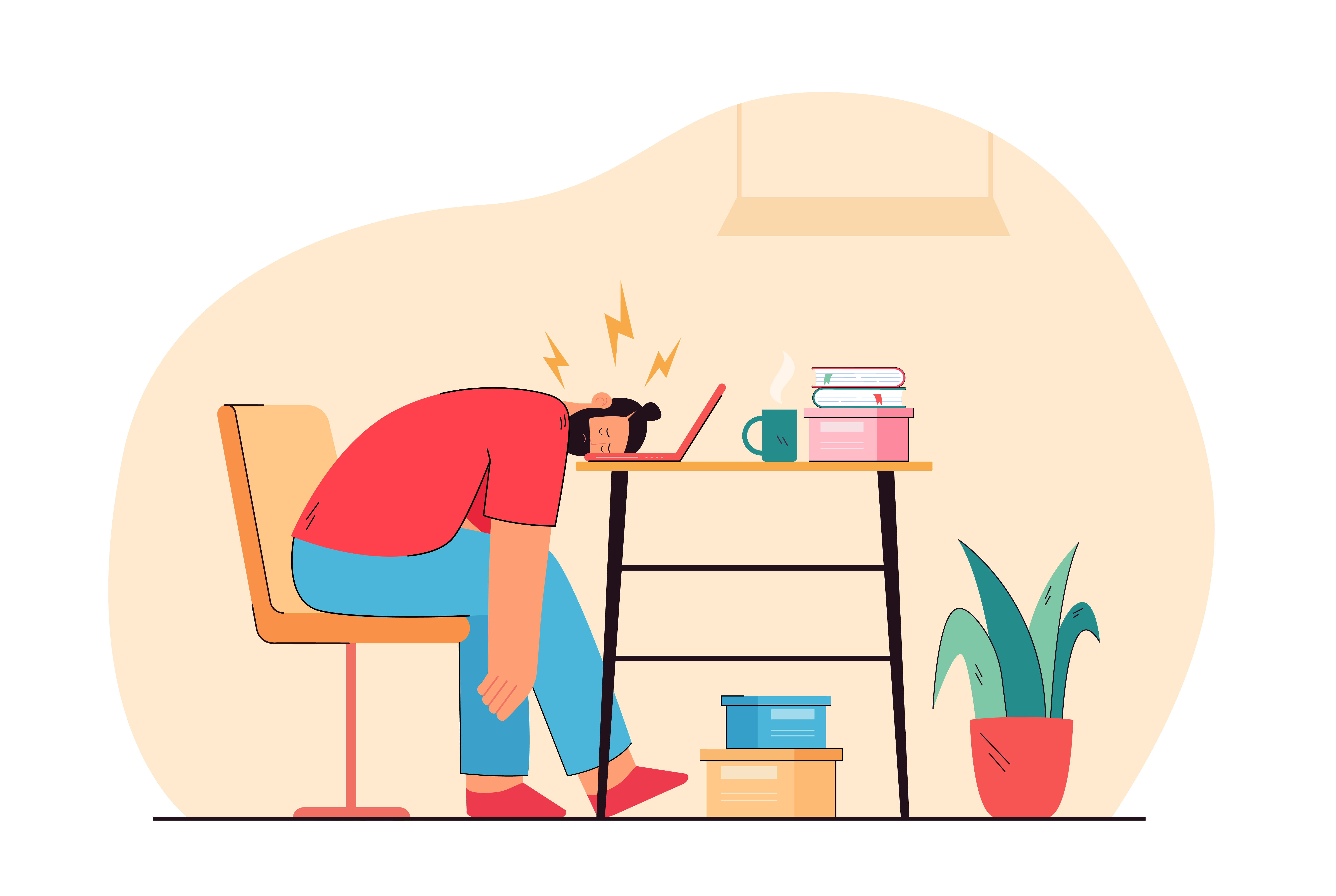
In my work within the mental health field, I have witnessed on numerous occasions that people who are extremely empathetic have the emotional responsibility of being available for everybody. This can ultimately lead to emotional burnout: a person who is mentally, emotionally, and physically exhausted.
Many people reach a point where they think or feel: “I am there for everybody, but who is there for me?”
It is a common phenomenon than one thinks; it is time it is given the attention it deserves.
Key Takeaways
- Emotional burnout is a condition that results from the constant pouring of emotional energy without a corresponding recovery.
- Emotional burnout is particularly common with empathetic people who have a hard time saying no.
- Symptoms include physical and emotional exhaustion, irritability, and a lack of focus.
- Over giving and people-pleasing are significant contributors.
- Setting boundaries and seeking self-compassion are necessary for healing.
- Your own mental well-being is the top priority
Understanding Emotional Burnout
Emotional burnout is a state of extreme exhaustion caused by prolonged emotional labor. It is beyond the usual state of fatigue. It begins to affect the individual’s cognitive, emotional, and behavioural processes.
In the mental health field, the problem with burnout is its effect on the individual’s ability to concentrate, manage their emotions, and keep a balance in their life. People who are experiencing burnout report a feeling of detachment from themselves and the rest of the world. They see their activities as unimportant.
Emotional Burnout:
A condition of mental, emotional, and physical exhaustion caused by prolonged emotional stress.
What Emotional Burnout Feels Like
Emotional burnout is often misconstrued as a condition of fatigue. However, it is a composite of emotional depletion, cognitive exhaustion, and physical weariness. On the basis of clinical observations, the following are the common experiences of a person suffering from emotional burnout:
- Feeling drained even when well-rested
- Emotional unavailability or numbing
- Feeling disconnected from people or activities that were once important
- Feeling overwhelmed by trivial demands
Empathy is a strength; however, when empathy is overextended beyond a certain point, it becomes overwhelming. As a result of the constant output of emotional labor with inadequate recovery time, emotional burnout is a natural adaptational response rather than a personal failing.
Emotional Exhaustion:
A state of perceived emotional over extension and depletion of emotional resources.
Common Causes of Emotional Burnout
Emotional burnout develops gradually due to repeated patterns of behavior and thinking.
Lack of Boundaries
The inability to create boundaries is one of the major factors that cause burnout. A significant number of people are not able to decline a request; this is often due to guilt.
The end result is taking on too much emotional responsibility. The concept of boundaries is defined as the limits that people create for themselves in order to maintain their emotional and mental well-being.
Constant Emotional Giving
Individuals who are empathetic tend to put the needs of others first. However, this can sometimes create a balance where they give too much and do not give enough to themselves.
Such a case is referred to as giving all the time without taking anything back.
People-Pleasing Patterns
The basic premise of people-pleasing comes from a need to be available, helpful, or accommodating at all times.
This need could be a result of:
- Fear of conflict
- Guilt
- Believing one has to earn others’ care by sacrificing themselves
People-Pleasing:
It is a behavioural pattern in which an individual focuses on meeting others’ needs by compromising their own.
Signs and Symptoms to Watch For
Emotional burnout affects emotional, physical, and cognitive functioning.
Emotional Symptom
- Increased irritability
- Emotional detachment
- Reduced ability to feel joy or connection
- Loss of interest in previously meaningful activities
Physical Symptoms
- Frequent headaches
- Digestive discomfort
- Persistent fatigue
- Low energy even after rest
Cognitive Symptoms
- Difficulty concentrating
- Brain fog
- Reduced clarity and decision-making ability
Brain Fog:
A state of reduced mental clarity, focus, and cognitive efficiency.
Why Caring Individuals Experience Burnout
People who are empathetic tend to burn out because they tend to take in what the other person is feeling.
Most commonly, they:
- Take on the emotions of the other
- Take on the responsibility for fixing the other’s problems
- Set high emotional expectations for themselves
- Feel they always have to be strong
The underlying assumption is that you’re supposed to be able to do it all. If you’re not, you’re supposed to feel guilty.
But the key thing to keep in mind is that you can only change what you’re willing to change, not what anyone else is willing to give.
Strategies for Self-Protection and Recovery
Recovering from emotional burnout is not something that happens overnight. It’s a slow, sometimes uncomfortable process where you start choosing yourself in small, consistent ways. Most of us don’t even realize we are drained until we feel completely exhausted - mentally, emotionally, and even physically. And the hardest part? We often blame ourselves for it.
One of the biggest shifts that helps in recovery is learning where to draw the line. Not in a harsh or selfish way, but in a way that protects your peace. For example, think about a time when you said “yes” to something even when you were already tired - maybe helping someone, taking up extra work, or being emotionally available when you had nothing left to give. In that moment, it feels like the right thing to do. But over time, these small “yeses” start costing you your energy.
Pausing and asking yourself simple questions like “Do I really have the capacity for this right now?” or “Am I doing this out of guilt or genuine willingness?” can make a huge difference. Saying “no” is uncomfortable at first, but it’s not rejection - it’s self-respect.
Another pattern many people struggle with is over-giving. Giving is beautiful, but only when it comes from a place of fullness. When it comes from a need for validation, approval, or fear of disappointing others, it slowly creates imbalance. You may have seen this in real life - someone who is always there for everyone else but feels completely alone when they need support. Recognizing this pattern is the first step toward changing it.
It’s also important to understand that caring for others does not mean carrying their emotions. You can be supportive without absorbing everything they feel. This is something that takes practice. Imagine listening to a friend who is going through a tough time - you can be present, empathetic, and kind, but still not let their pain become your burden. That emotional separation helps you stay grounded instead of overwhelmed.
And finally, self-care - not the aesthetic version we see online, but the real, honest kind. Sometimes self-care looks like taking rest without guilt, eating properly after skipping meals, or stepping away from everything just to breathe or even trying Mental Wellness activities to relax your mind. Other times, it could be going for a walk, journaling your thoughts, or having a meaningful conversation with someone who truly understands you.
At the end of the day, recovery is about coming back to yourself. Not the version that constantly gives, adjusts, and stretches too far - but the version that knows its limits, respects its needs, and chooses balance over burnout.
Conclusion
Emotional burnout is a normal result of prolonged emotional investment with no respite. It tends to occur in those who have a lot to care for and consistently place others first. Taking your own mental health experience seriously is not selfish; it is necessary. When you take care of yourself, you are more likely to take care of others in a meaningful way. Having a ‘big heart’ does not have to come at your own expense. Emotional strength does not come from having compassion for others at your own expense.
Get the Latest Expert Insights