
Exam Stress & Anxiety: A Therapist-Backed Guide for Students and Parents

Subhra Dhar Biswas
(Counselling Psychologist)
Subhra Dhar Biswas is a helping practitioner and therapist working with adolescents, students, and adults through structured, solution-centred counselling.
Subhra Dhar Biswas
(Counselling Psychologist)
Subhra Dhar Biswas is a helping practitioner and therapist working with adolescents, students, and adults through structured, solution-centred counselling.
Get the Latest Expert Insights
Introduction
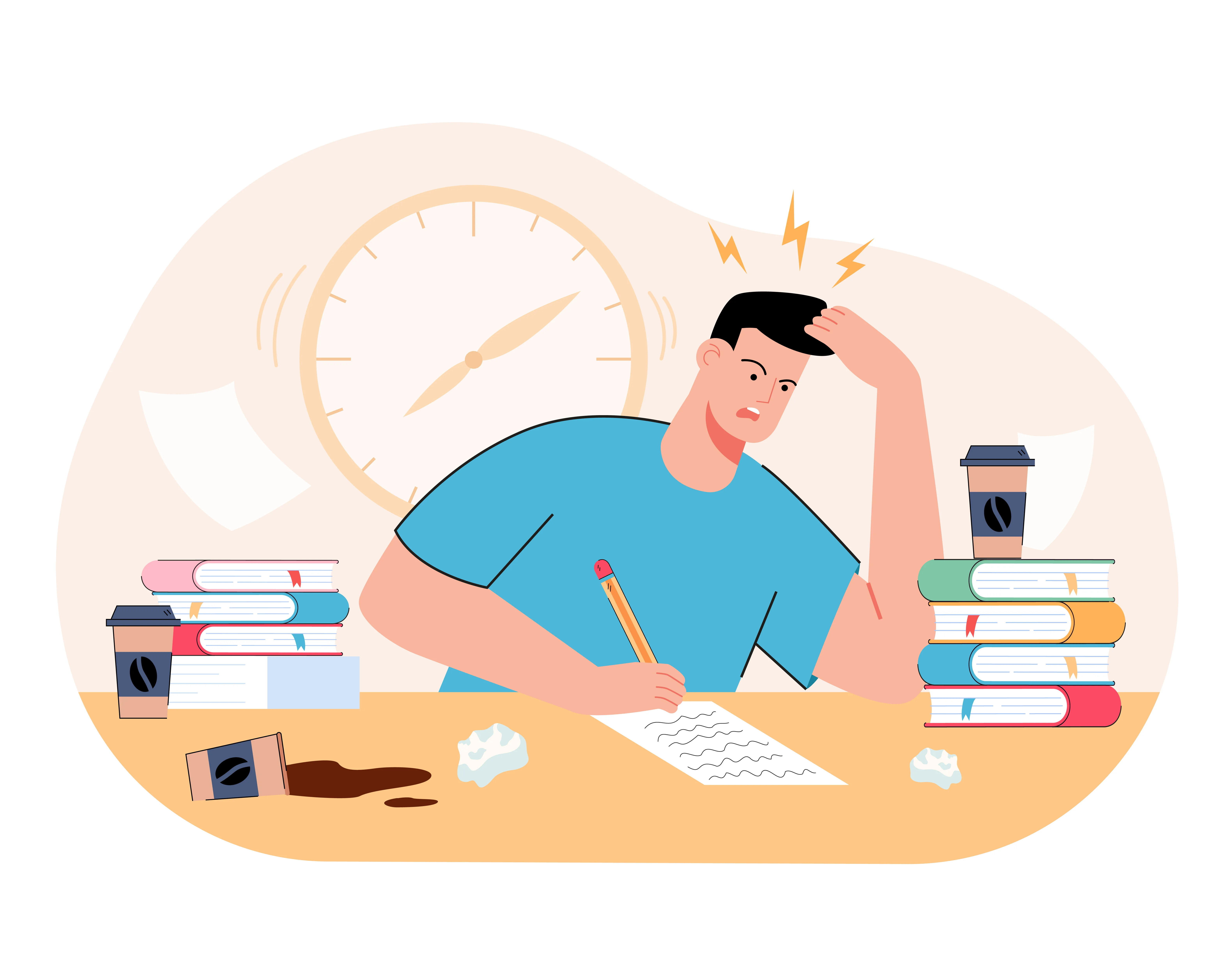
Exam seasons are an ordinary part of student life. But, for many students, the season of exams feels hectic and overwhelming. There is pressure to score well, to meet expectations, and to get future opportunities securely. This constant pressure can very slowly turn into exam stress and anxiety.
As someone working at the intersection of education and mental health, I frequently observe how academic pressure can slowly begin to overshadow a student’s emotional wellbeing. In my work with students during examination periods, I often see how unmanaged stress gradually affects concentration, sleep, and emotional stability.
The aspect of exam stress is not just about “being nervous.” It’s also about how it affects the mind, body, and even student behaviour. A little tension and stress can help students stay alert. But too much of this stress can reduce focus, disrupt sleep, and lower performance.
This blog explains a student’s exam stress in simple language.It also shares practical stress management for students and tips parents can use during the hectic exam season.
Key Takeaways
Exam stress is common, but it becomes harmful only when it affects sleep, focus, and mood.
- Signs include procrastination, continued phone use, headaches and migraines, and trouble starting tasks.
- Simple plans like small and periodic study goals, breathing exercises, and good sleep can help.
- Pulling an ‘all-nighter’ study session lessens memory and performance.
- Parents should care and support emotionally instead of increasing mental pressure.
- If the stress becomes too much or long-lasting, professional help -including Affordable Online Therapy for Individuals - is important.
What is Exam Stress?
Exam stress is the body’s natural response to perceived academic pressure. When a student feels that performance determines their worth, future, or approval, the brain activates a survival response.
This response is often referred to as the “fight, flight, or freeze” system.
- Fight may look like irritability.
- Flight may look like avoidance or procrastination.
- Freeze may look like staring at a book without being able to begin.
While mild stress sharpens focus, prolonged stress affects concentration, sleep, digestion, and emotional regulation.
Memory Consolidation: The process by which the brain converts new information into long term memory, especially during sleep.
When stress disrupts sleep, memory consolidation weakens - making all-night studying counterproductive.
From a mental health perspective, exam anxiety becomes problematic not when it exists, but when it begins to interfere with a student’s ability to focus, rest, and regulate emotions. When stress crosses this threshold, it shifts from being a motivating force to a barrier to learning.
Common Stress Symptoms to Watch For
Stress of exam does not always appear abruptly. It builds gradually and shows up in daily behaviours and habits - these are common exam stress symptoms to be aware of.
In clinical and academic settings, stress rarely appears suddenly. Instead, it usually develops gradually and becomes visible through everyday behaviours and physical signals.
Continuous Phone Usage
You take a break for five minutes and then end up using your phone for an hour. After that, it feels harder to even want to return to studying.
This occurs because social media gives swift pleasure and distraction.
Dopamine: It’s a brain chemical that gives you a feeling of reward, instant happiness, and pleasure.
Phones and the stimuli give a quick sense of accomplishment. Studying gives slow rewards. So, the brain prefers to use a phone when stressed.
Productive Procrastination
Dusting your desk. Reorganizing notes. Arranging files.
These tasks feel productive, but they help you avoid the difficult chapter.
Procrastination: ‘Passing time’ in simple words or delaying important tasks by doing easier ones instead.
Brain Fog
You read the same page again and again, but are unable to remember anything you read.
This happens when the brain feels overloaded and overwhelmed.
Cognitive Overload: When the brain takes in too much information, topics, or even stress, and struggles to process it.
Physical Cues
Stress often shows through the body when you don’t listen to your brain in the following way:
- Headaches
- Stomach Distress
- Poor Sleep
- Endless Tiredness
Psychosomatic Symptoms: Bodily problems that are caused or degraded by stress. If ignored, these signs can grow stronger.
Feeling Stuck
You sit at your desk, books in front of you, but cannot begin studying.
This is called the freeze response. It is not laziness or negligence; it is your nervous system feeling overwhelmed.
Simple Ways to Manage Stress
Handling stress does not need big changes. Small daily habits or changes in habit can make a big difference.
Evidence from psychological research suggests that small, consistent habits are often more effective than drastic changes when it comes to managing stress.
The 2-Minute Rule
If even opening your books feels difficult, tell yourself that you will study for just 2 minutes. Most of the time, once you begin to study, you end up continuing.
Mental Resistance: The difficulty we feel before starting a task. Starting is usually harder than continuing.
Take Offline Breaks
Instead of using your phone during breaks:
- Take a short walk
- Stretch your body
- Drink water
- Go outside
Offline breaks refresh the brain better than screen time.
4-7-8 Breathing
- Hold for 7 seconds
- Breathe out for 8 seconds
- Repeat 4-5 times
Breathing Regulation: Slowing down breathing to calm the body and mind. This helps reduce stress before studying or before an exam.
Study in Small Targets
Instead of thinking, “I have 5 chapters to finish,” think, “I will study for 40 minutes.” Break large tasks into smaller goals.
Micro-Goals: Small and achievable targets that reduce pressure. Small wins increase confidence.
Sleep Properly
Avoid all-night study sessions.
Sleep helps the brain store information properly.
Memory Consolidation: The process of storing new information into memory during sleep. Without sleep, studying becomes less effective.
Common Mistakes Students Make
Studying All Night
Many students believe sleeping less means studying more.
But less sleep reduces memory, focus and energy. Studying well-rested is more effective than studying longer hours without rest.
From a cognitive science perspective, sleep is essential for learning because it allows the brain to process and store newly acquired information.
Discussing Answers After Exams
After finishing an exam, students often discuss answers with friends. This increases the stress for the next paper.
Rumination: Constantly thinking about something that cannot be changed.
Once the exam is over, it is better to move on.
How Parents Can Support Effectively
Validate Feelings
- Instead of asking only about marks or preparation, ask:
- “How are you feeling today?”
- This helps the child feel understood better.
Emotional Validation: Accepting someone’s feelings without questioning them. Feeling supported makes people confident.
Pressure-Free Zone
- Create a calm environment. Avoid constant reminders about performance.
- Small encouragement works better than repeated warnings.
- A peaceful home helps students focus better.
When to Seek Professional Help
In mental health practice, early intervention is one of the most effective ways to prevent academic stress from developing into long-term anxiety or burnout.
Sometimes stress becomes more serious.
Get help if the student experiences:
- Regular panic attacks
- Severe sleep problems
- Constant hopelessness
- Withdrawal from everyone
- Strong physical symptoms
Burnout: Extreme mental and physical exhaustion caused by long-term stress.
Professional support can give proper guidance and help the person cope. Getting help early prevents bigger problems later.
Conclusion
Exam stress is common. Almost every student experiences it. A little stress can help improve performance. But too much stress reduces focus, sleep, and confidence. The key is early recognition and simple management. Small study goals, proper sleep, breathing exercises, and offline breaks can make a big difference.
Students need encouragement, not constant pressure. Parents need to focus on emotional support, not just results.As professionals working with students often highlight, academic performance does not improve when pressure increases, but when the mind feels calm, supported, and focused.
Exams are important-but mental health is more important. When the mind is calm, performance naturally improves. Managing stress is not about removing it completely. It is about learning how to handle it in a healthy and balanced way.
Get the Latest Expert Insights